







Short Courses
Overview of Short Courses on April 19, 2026
9:00 am – 12:00 pm
Current and Future Challenges and Solutions in AI & HPC System and Thermal Management
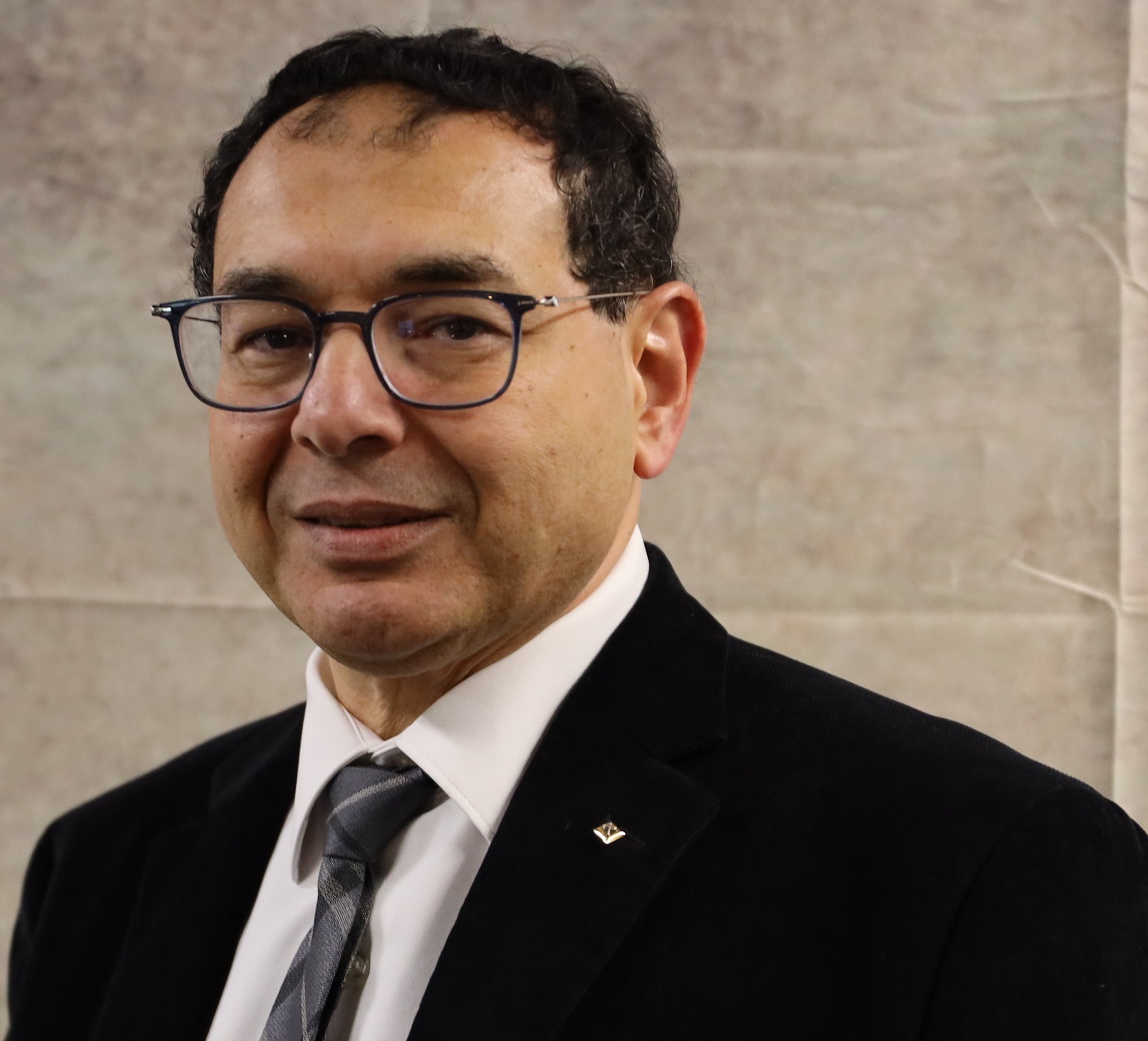
Dr. Gamal Refai-Ahmed
AMD, USA
Dr. Gamal Refai‑Ahmed is a globally recognized leader in thermal management, advanced packaging, and high‑performance computing, with innovations that have shaped AI, HPC, telecommunications, and automotive systems. Elected to the National Academy of Engineering in 2024, he is also an IEEE Fellow, Xilinx Fellow, and recipient of major honors including awards from ASME, IEEE Canada, SRC, and Binghamton University. With 150+ patents and 120+ publications, he has driven breakthroughs in cooling technologies, heterogeneous integration, and power architecture across roles at Nortel, ATI, AMD, Xilinx, and GE. An Adjunct Professor at the University of Toronto and SUNY Binghamton, he continues to advance next‑generation engineering through research, leadership, and industry collaboration.
Course description
This course explores the critical role of thermal management and packaging in advancing Artificial Intelligence (AI) and High‑Performance Computing (HPC). It addresses current and emerging challenges through state‑of‑the‑art thermo‑mechanical solutions supported by recent IEEE publications and industry developments. Participants will examine the Heterogeneous Integration Roadmap (HIR) and Advanced Packaging Technologies (MAPT), and learn the Seven Principles shaping next‑generation thermal architectures. Key topics include first‑ and second‑line cooling, direct liquid cooling, immersion cooling, microfluidics, and methods for managing thermal loads beyond 1 kW. Practical examples highlight how to decouple mechanical tolerances while optimizing system‑level thermal performance. The course also covers manufacturing, assembly, and reliability considerations from both package and system perspectives. Designed for thermal, mechanical, reliability, and assembly engineers, it offers interactive discussions and hands‑on insights that can be applied directly to modern AI and HPC system design.
Dr. Gamal Refai-Ahmed
AMD, USA
9:00 am – 12:00 pm
Advanced Packaging for Chiplets and Heterogeneous Integration
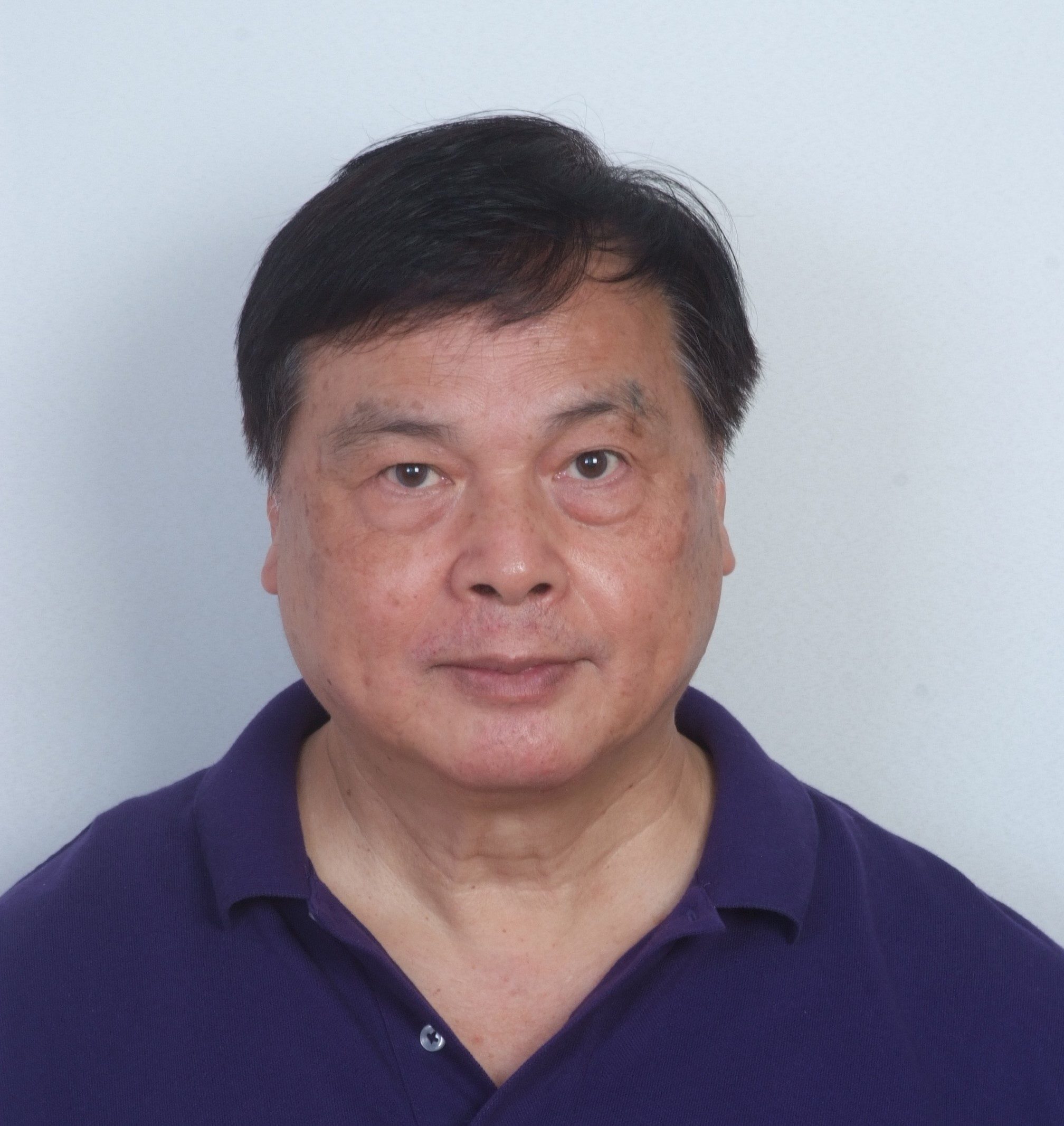
John H Lau
Unimicron Technology Corporation, USA
John H Lau, with more than 40 years of R&D and manufacturing experience in semiconductor packaging, has published more than 535 peer-reviewed papers (385 are the principal investigator), 54 issued and pending US patents (33 are the principal inventor), and 24 textbooks. John is an elected IEEE fellow, IMAPS Fellow, and ASME Fellow and has been actively participating in industry/academy/society meetings/conferences to contribute, learn, and share.
Course description
In this lecture semiconductor advanced packaging is defined. The kinds of advanced packaging are ranked based on their interconnect density and electrical performance and are grouped into 2D, 2.1D, 2.3D, 2.5D, 3D. 3.3D, and 3.5D IC integrations, which will be presented and discussed. Chiplet communication such as bridges embedded in build-up package substrate and in fan-out epoxy molding compound (EMC) with RDLs (redistribution layers) will be discussed. The fundamentals of hybrid bonding will be briefly mentioned and high-volume products with hybrid bonding will be presented. High bandwidth memory (HBM) and customized HBM (cHBM) are one of the key elements of high-performance computing (HPC) products driven by artificial intelligence (AI) will be discussed. Glass-core substrates and glass-core interposers will be presented. Co-packaged optics will be examined. Some recommendations will be provided. The contents of this lecture are shown below.
- Introduction
- Chiplets and Heterogeneous Integration
- Advanced Packaging for Chiplets and Heterogeneous Integration
- 2D IC Integration
- 2.1D IC Integration
- 2.3D IC Integration
- 2.5D IC Integration
- 3D IC Integration
- 3.3D IC Integration
- 3.5D IC Integration
- Bridges Embedded in Build-up Substrates
- Bridges Embedded in Fan-Out EMC with RDLs
- Hybrid Bonding Bridge
- Hybrid Bonding
- HBM and cHBM
- Glass-Core Substrates and Glass-Core Interposers
- Co-Packaged Optics
- Summary and Recommendations
Who Should Attend?
If you (students, engineers, and managers) are involved with any aspect of the electronics industry, you should attend this course. It is equally suited for R&D professionals and scientists. The lectures are based on the publications by many distinguish authors and the books (by the lecturer). Each attendee will receive more than 250 pages of lecture notes.
John H Lau
Unimicron Technology Corporation, USA
2:00 pm – 5:00 pm
Warpage Modelling and Validation in Fan-out Wafer/Panel Level Packaging and Assembly Processes
Olaf Wittler
Fraunhofer IZM, Germany
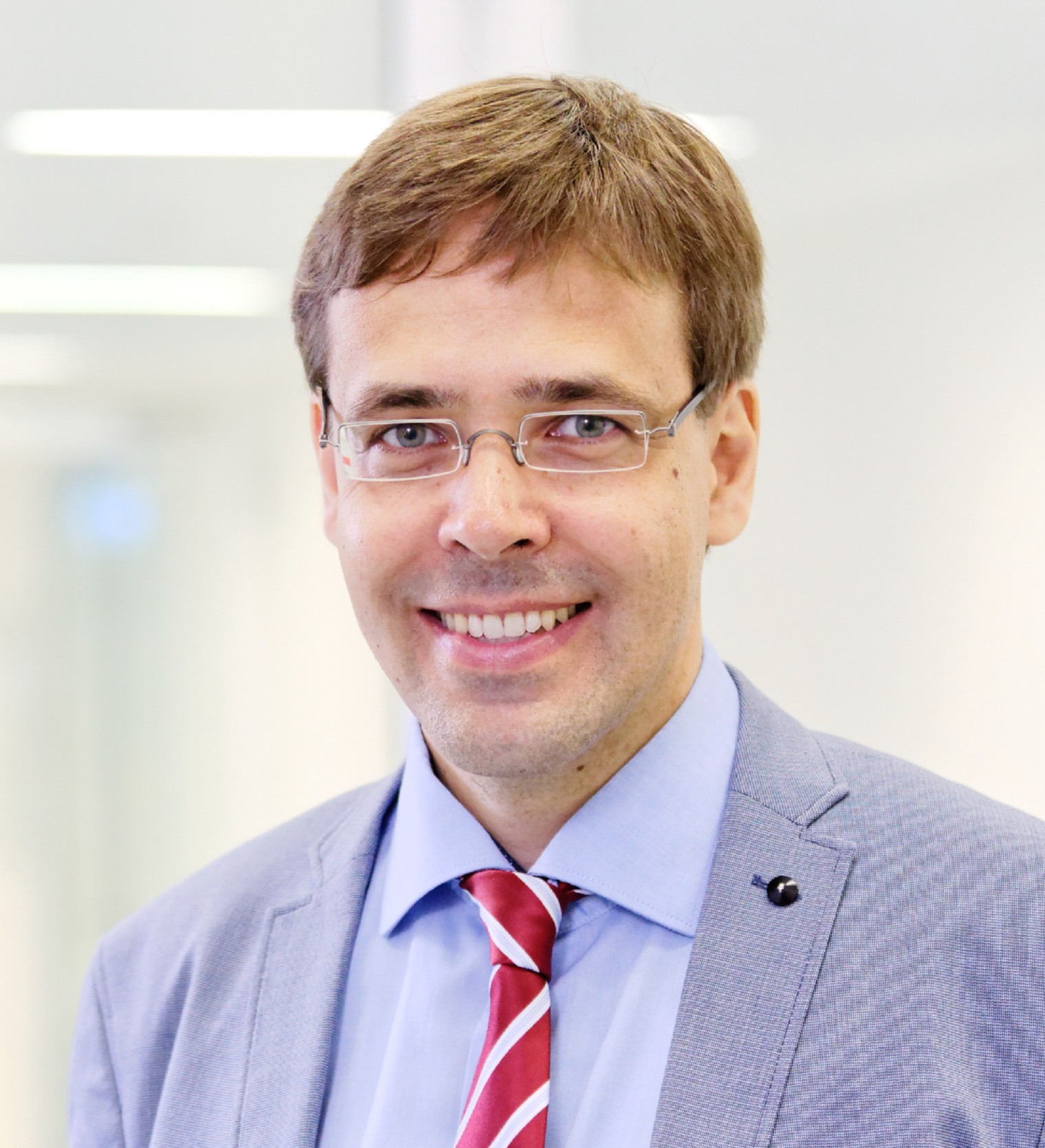
Olaf Wittler is Chief Scientist at Fraunhofer IZM, focusing on reliability simulation for advanced electronic packaging technologies. He holds a Ph.D. in Electrical Engineering from Technische Universität Berlin and has over two decades of experience bridging theory and practice in microelectronics reliability. Olaf has authored and co-authored more than 130 publications and is active in reviewing, teaching, and association work. His research includes warpage prediction in FO-WLP and FO-PLP, reliability of RF packages and materials, advanced damage modeling in power electronics, and substrate/via reliability — advancing robust and sustainable solutions for next-generation electronics.
Saskia Huber
Fraunhofer IZM, Germany
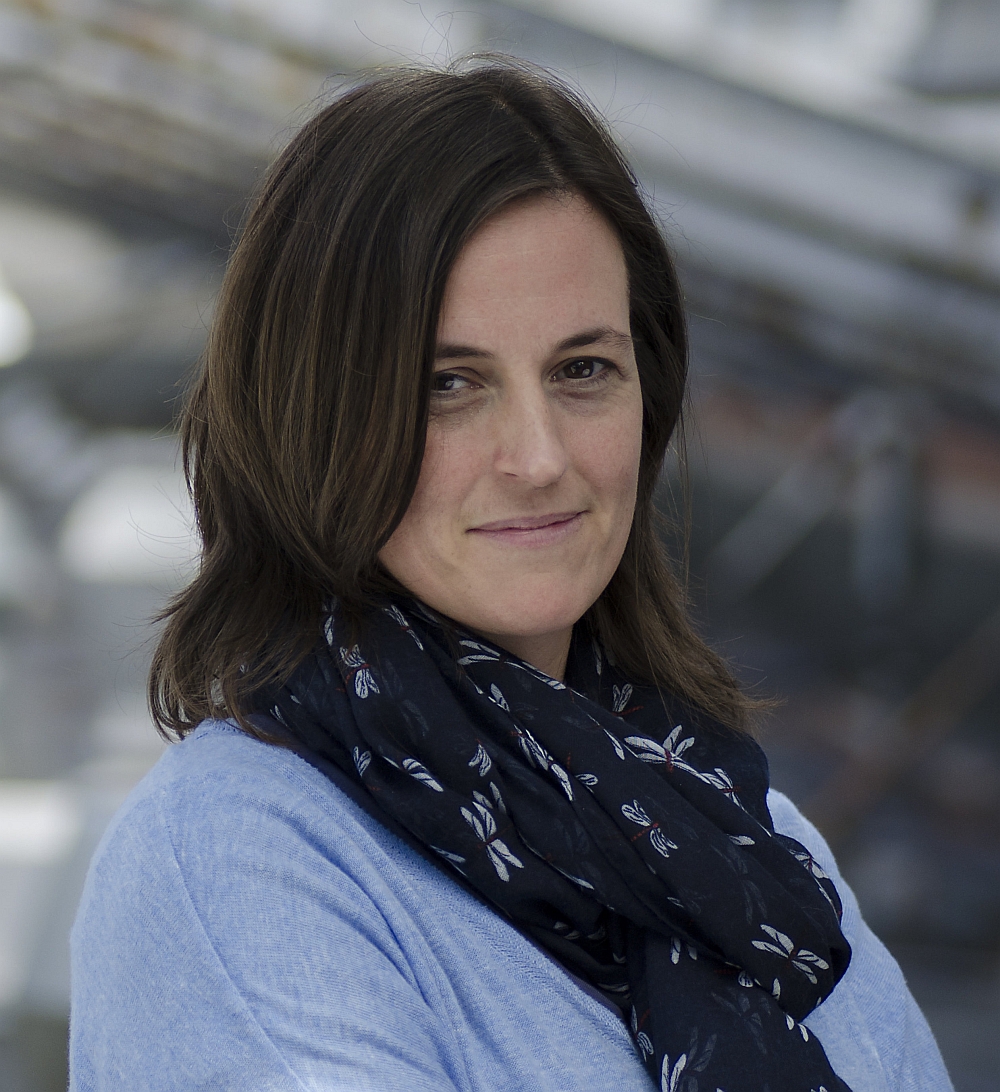
Saskia Huber holds an engineering degree in Applied Physics and is a Researcher at Fraunhofer IZM. She has been working in the field of microelectronics for over 20 years. Her research focuses on process emulation and the determination of material data for numerical simulations, with particular expertise in warpage analysis and material characterization. She is the author of numerous papers on deformation modeling and material characterization. Her work supports the development of reliable, high-performance components, bridging fundamental physics and industrial practice.
Course description
Fan-out wafer and panel-level packaging (FO-WLP/-PLP) technologies have emerged as key enablers for advanced semiconductor integration, offering high I/O density, improved electrical performance, and cost efficiency. However, one of the most critical challenges in these processes is warpage, which occurs due to complex thermo-mechanical interactions and other shrinkage effects during molding, redistribution layer (RDL) formation and assembly. Excessive warpage and die shift can lead to yield loss, reliability issues, and assembly misalignment.
This tutorial provides a comprehensive overview of warpage modelling methodologies for FO-WLP and -PLP processes. It covers fundamental principles of thermo-mechanical behaviour, material property characterization, and process-induced stress evolution. Both analytical and numerical approaches, including finite element modelling (FEM), will be discussed, along with strategies for model calibration and validation using experimental data. Practical case studies will illustrate how predictive modelling can guide design optimization, material selection, and process control to mitigate warpage risks.
Olaf Wittler
Fraunhofer IZM, Germany
Saskia Huber
Fraunhofer IZM, Germany
2:00 pm – 5:00 pm
Advanced Packaging for MEMS and Sensors
Horst Theuss
Infineon Technologies AG, Germany
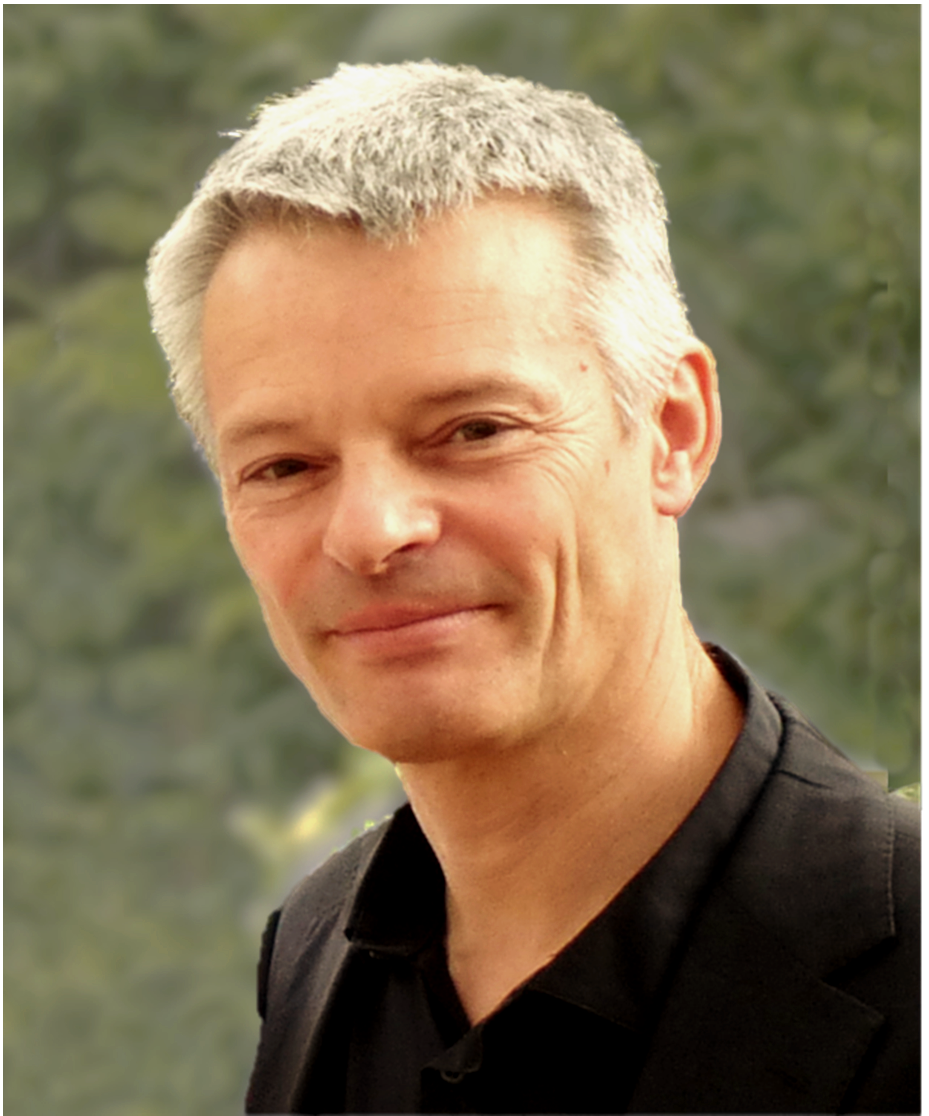
Horst Theuss received his PhD degree in Physics from the University of Stuttgart/Max Planck Institute for Metal Research in 1993. His scientific work concentrated on magnetic properties of superconductors, amorphous materials and exchange-coupled thin layers. After a post-doctoral assignment at the IBM Almaden Research Center in San Jose, CA, Horst started his industrial career at Vacuumschmelze GmbH working on ferromagnetic alloys. He joined Infineon Technologies, Regensburg, Germany in 2000. Since then he has been developing package concepts and processes in the fields of discrete semiconductors, wafer level packaging, cavity packaging, materials and system integration. As a Senior Principal he is today responsible for predevelopments with a focus on MEMS and sensors.
Course description
Sensors are everywhere! They create data and provide the “food” for the Internet of Things. Which specific requirements distinguish MEMS and sensor packaging from standard assembly? How are these challenges being tackled? Do we need advanced packaging technologies for MEMS? These and more questions will be addressed in the course. From a general introduction into package platforms, we will derive MEMS-specific challenges – e. g. the need for low package induced stress and its impact to MEMS performance, the necessity to create cavities or the implementation of MEMS-specific package materials and processes. The course reviews the state of the art and will be dominated by case studies comprising pressure and impact sensors, microphones, mirrors, magnetic sensors and Radar devices. A further section elaborates on robustness requirements and approaches for risk mitigation in harsh environments.
How does MEMS- and sensor packaging fit into the AI-dominated world of “Advanced Packaging”? Case studies comprise the integration of MEMS-microphones or RF-antennas into Fan-Out-Wafer-Level-Packages. An open discussion on the future of MEMS- and sensor packaging will be appreciated.
Horst Theuss
Infineon Technologies AG, Germany
2:00 pm – 5:00 pm
Practical Model Order Reduction and Linear Superelements in Ansys Mechanical for Multiphysics Applications
Mike Feuchter
CADFEM, Germany
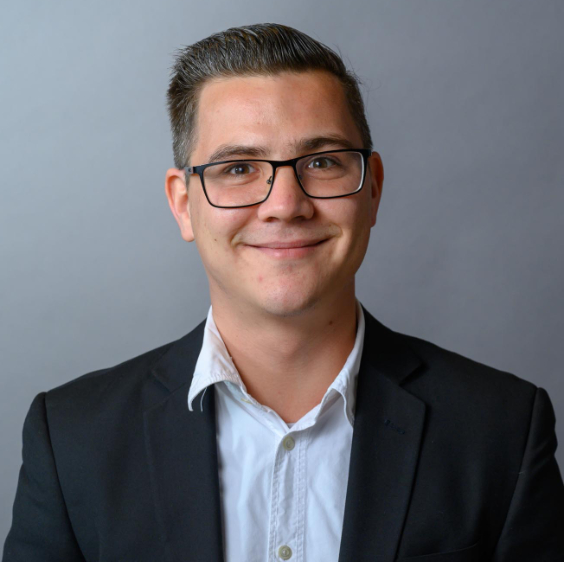
Mike Feuchter received his Bachelor of Engineering degree in 2014. Since then, he has been working as a Simulation Engineer at CADFEM Germany, focusing on structural mechanics, structural dynamics, thermal simulation, acoustics, and reduced-order modeling. In 2018, he started a part-time Master’s program in Applied Computational Mechanics, which he completed alongside his industrial work. Since 2023, he has been pursuing a PhD at CADFEM in collaboration with TU Chemnitz within the research project e²lead. His research focuses on reduced-order modeling techniques for viscoplastic components, with particular emphasis on solder ball applications.
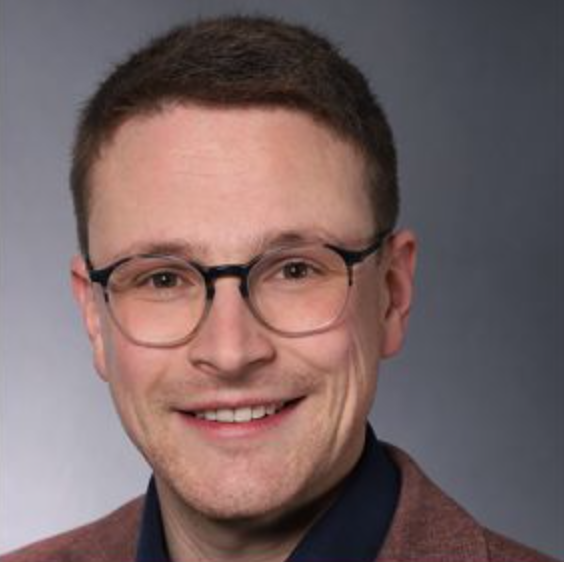
Max Keller
CADFEM, Germany
Max Keller received his Bachelor of Engineering in Mechanical Engineering in 2018 and completed his Master’s degree in Computational Science and Engineering in 2024. Since 2025, he has been working as a Simulation Engineer at CADFEM Germany, with a focus on structural mechanics and reduced-order modeling. He is the product owner of the CADFEM Extension “Model Order Reduction inside Ansys”, responsible for its technical development and application in industrial simulation workflows.
Course description
Linear superelements and model order reduction (MOR) techniques enable significant reductions in computational effort while preserving the relevant physical behavior of complex models. This short course provides a practice-oriented introduction to the use of linear superelements in Ansys Mechanical for structural, thermal, and coupled thermomechanical simulations. Starting with structural dynamics, the course demonstrates how linear superelements can be created and applied using native Ansys Mechanical functionality. The workflow is then extended to thermal and coupled thermo-mechanical analyses using the CADFEM Extension “Model Order Reduction inside Ansys”. Participants will learn how reduced-order models are generated, validated, and efficiently reused in simulations of larger systems. The course combines concise theoretical background with extensive live software demonstrations, focusing on industrially relevant workflows, modeling decisions, and typical pitfalls. A mixed audience from industry and academia is addressed, and interactive discussion is explicitly encouraged.
Mike Feuchter
CADFEM, Germany
Max Keller
CADFEM, Germany