










Industrial Keynotes on Monday, April 20, 2026, 9 am – 10 am
9:00 am – 9:30 am
From Reliability Testing to Reliability Thinking
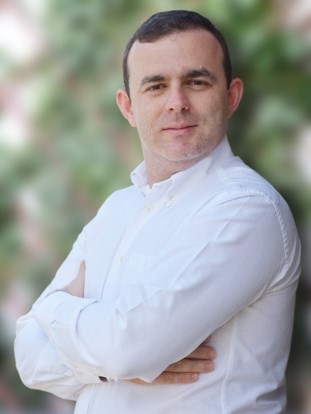
Dr. Ionut Ailinei
Aumovio, Romania
Dr. Ionuț AILINEI is the Global Head of Mechanical Simulation and Verification at AUMOVIO, leading an international organization focused on simulation-driven design and product verification. His work spans co-design, board- and package-level robustness, vibration, and thermal durability, integrating testing, failure analysis, and numerical simulation. He has extensive experience in qualification laboratories and industrial testing for automotive and other high-reliability applications, and actively contributes to conferences and industry–academia collaboration.
Abstract
As electronic systems grow in complexity and development cycles shorten, reliability can no longer be treated as a downstream validation activity. The most critical reliability decisions are made early, often before testing even begins.
This plenary talk explores the shift from reliability testing to reliability thinking. It shows how simulation, co-design, and structured failure learning can be combined to influence early design choices, reduce late-stage surprises, and enable more robust products. Rather than focusing on specific methods, the presentation offers a strategic perspective on how reliability becomes a design driver through integration, mindset, and organizational alignment.
Dr. Ionut Ailinei
Aumovio, Romania
9:30 am – 10 am
Glass Packaging and Its Reliability
John Lau
Unimicron Technology Corporation, USA
John H Lau, with more than 40 years of R&D and manufacturing experience in semiconductor packaging, has published more than 535 peer-reviewed papers (385 are the principal investigator), 52 issued and pending US patents (31 are the principal inventor), and 24 textbooks. John is an elected IEEE fellow, IMAPS Fellow, and ASME Fellow and has been actively participating in industry/academy/society meetings/conferences to contribute, learn, and share.
Abstract
Since the announcement of TSMC’s CoPoS (chip on panel on substrate) in 2025, the glass packaging has been getting lots of traction for high-end and high-performance applications. Today, the package of choice of HPC (high-performance computing) driven by AI (artificial intelligence) is the CoWoS (chip on wafer on substrate). The TSV (through-silicon via) interposer of CoWoS is fabricated on a silicon wafer. However, because of the area efficiency (lower cost), the TSV-interposer is replaced by the TGV (through-glass via) interposer (CoPoS) which is fabricated on a glass panel. CoPoS is scheduled to be shipped in Q1 of 2029. In this lecture, a brief fundamental of glass packaging will be presented. Also, the reliability of flip chips on glass substrates with microbump and Cu-Cu hybrid bonding interconnects will be discussed. Some recommendations will be provided.
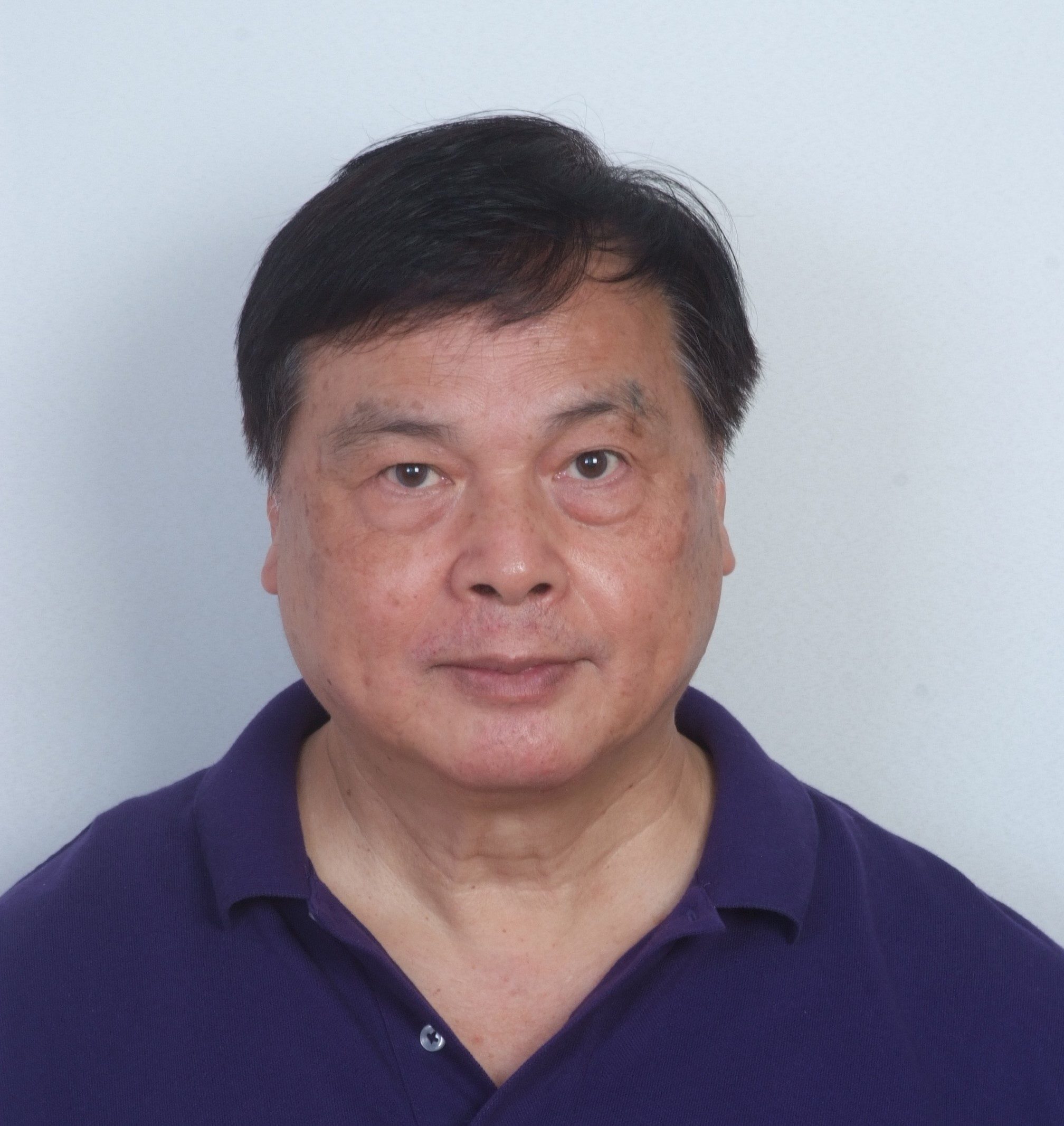
John Lau
Unimicron Technology Corporation, USA
Technical Keynotes on Monday, April 20, 2026, 10.40 am – 12.10 pm
10:40 am – 11:10 am
Reaching Extremes with Additive Manufacturing of Electronics – From Wearable Medical to High-power and High-temperature Devices
Mark Poliks
Binghamton University, USA
Mark D. Poliks is a SUNY Distinguished Professor and Empire Innovation Professor of Materials Science and Engineering, and Systems Science and Industrial Engineering at the Thomas J. Watson College of Engineering and Applied Science, Binghamton University, State University of New York. He is the founding director of the Center for Advanced Microelectronics Manufacturing (CAMM), a New York State Center of Advanced Technology and home to the New York Node of the federally supported NextFlex Manufacturing USA. Poliks has made sustained contributions to the fields of materials processing, electronics packaging, flexible, hybrid and additive electronics that are relevant to a variety of medical and industrial applications.
Poliks was the General Chair of the 69th IEEE Electronic Components and Technology Conference (ECTC). He was a recipient of the 2017 SUNY Chancellor’s Award for Excellence in Research, is a Fellow of NextFlex, an elected member of the IEEE Electronics Packaging Society (EPS) Board of Governors, serves as the director of student programs and is an IEEE Distinguished Lecturer.
Abstract
Flexible and hybrid electronics (FHE) combine additively printed electronics on bendable, flexible or highly stretchable substrates with the performance of thinned silicon-based semiconductors to enable applications that include wearable medical devices and industrial sensors. Many of these applications require thin, soft, conformal, or stretchable attributes for “wearability” in human healthcare or integration on industrial or infrastructure systems that must survive extreme conditions. Some applications require the electronics and interconnects to be printed “in-place” on existing surfaces and components.
This presentation will review the design and fabrication challenges associated with interfacing hard and soft electronic components, the use of sustainable materials, particle-free inks, advances in printing and processing methods, and testing of FHE systems. Applications that will be featured include the use of highly stretchable conductors, fluid transport, printed electrochemical and robotic sensors, RF devices, power conversion, and efforts to enable use at extreme conditions that include high temperature, power and current operation will be described.
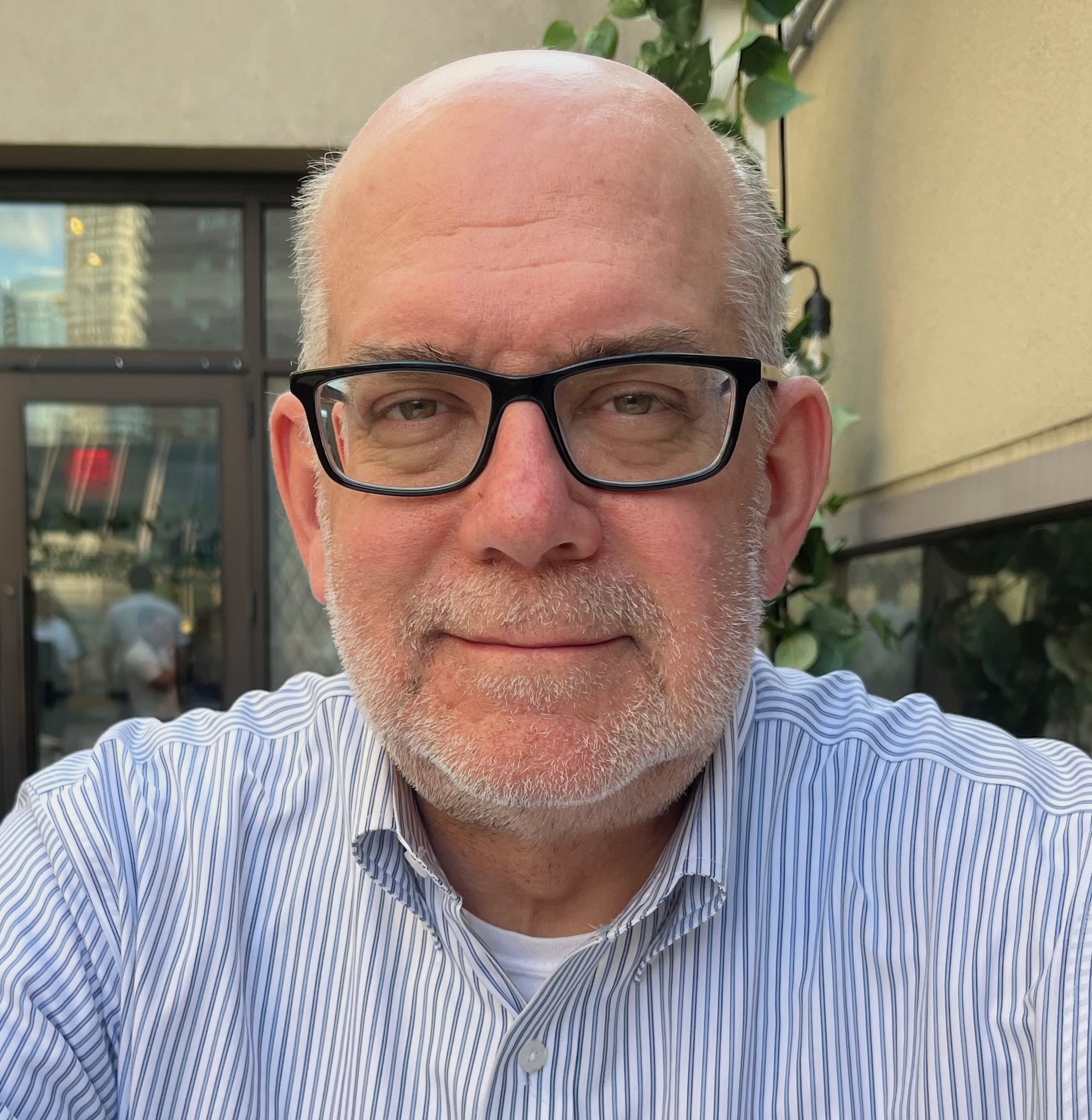
Mark Poliks
Binghamton University, USA
11:10 am – 11:40 am
Requirements for Multiphysics Modeling of Silicon Carbide Power Semiconductor Packages
Ivana Kovacevic
ETH Zurich, Switzerland
Ivana Kovacevic-Badstuebner (Senior Member, IEEE) received the Ph.D. degree in electrical engineering from ETH Zurich, Zurich, Switzerland, in 2012. From 2008 to 2015, she worked in the Power Electronics Systems (PES) Laboratory, ETH Zurich, focusing on the prediction of electromagnetic behavior of power electronics systems based on the developed numerical techniques and the lifetime modeling of power semiconductor modules. In March 2016, she joined the Advanced Power Semiconductor (APS) Laboratory, ETH Zurich as senior scientist. Her research interests include novel packaging technologies for SiC power devices, the optimization of power module layout with respect to electromagnetic interference, and multidomain modeling of power semiconductor devices and their modules.
Abstract
The increasing demand of modern society for energy, and the quest for more sustainable technologies drives innovations in today’s power electronics towards more efficient and green power conversion. Power semiconductors as key components of power converter switching cells play an important role for keeping up the pace with the emerging requirements. Namely, moving from silicon (Si) to wide-band gap (WBG) power semiconductor technology has enabled more advanced power converter designs and a shift to new paradigms in power electronics. Today, Silicon Carbide (SiC) is the preferred WBG semiconductor material for various applications such as electrical vehicles (EV) powertrains and charging infrastructure, solar inverters, uninterruptible power supplies in datacenters, industrial power supplies and motor drives. SiC power MOSFETs represent a switch solution with higher blocking voltage and lower switching losses in comparison to their Si-counterparts. However, the same electrical performance and reliability levels cannot be achieved by simply replacing Si with SiC power devices in the standard packages. High system performance utilizing SiC power devices strongly relies on enhanced package design considering thermal, electrical, and reliability aspects. Higher integration together with a complex multi-parameter design space calls for multi-physics modeling of SiC power modules and discrete packages. Here, more accurate multi-physics modeling provides the basis for trustful virtual prototyping, supporting design development leading to cost-optimized hardware prototypes and more accurate estimation of actual power losses, necessary to achieve high-efficiency/high-power-density converters. This plenary talk will put the requirements for more accurate modelling of SiC power semiconductor discrete and module packages into perspective, illustrating the ongoing shift in industry from Si to SiC power semiconductor technology.

Ivana Kovacevic
ETH Zurich, Switzerland
11:40 am – 12:10 pm
Validating Multiphysics Models in MEMS/NEMS Using Advanced Nanometrology
Dr. Paweł Janus
Łukasiewicz – Institute of Microelectronics and Photonics (IMiF), Poland
Dr. Paweł Janus is a senior researcher and group leader at the Łukasiewicz – Institute of Microelectronics and Photonics (IMiF). He earned his Ph.D. in electronics from Wrocław University of Science and Technology and has over 20 years of experience in micro- and nanotechnology, MEMS, and silicon microsensors. His current research focuses on silicon-based force sensors and scanning thermal microscopy techniques, and he has contributed to more than 80 scientific publications as well as national and European R&D projects.
Abstract
The increasing demand for highly integrated, miniaturized, and multifunctional microsystems in sensing, actuation, and communication technologies is driving continuous innovation in micro- and nanoelectromechanical systems (MEMS/NEMS). As device dimensions shrink and operating frequencies increase, the performance, reliability, and long-term stability of MEMS/NEMS are increasingly governed by tightly coupled mechanical, electrical, thermal, and surface-related phenomena. Accurate prediction of such behavior therefore requires advanced multiphysics models capable of capturing interactions across multiple length and time scales.
However, the predictive power of these models critically depends on rigorous experimental validation at the nanoscale. In this context, advanced nanometrology based on atomic force microscopy (AFM) has emerged as a key enabler for quantitative validation of multiphysics models in MEMS/NEMS. AFM-based techniques provide unique access to local mechanical properties, surface forces, electromechanical coupling, thermal transport, and dissipation mechanisms with nanometer spatial resolution and high force sensitivity. Variants such as conductive AFM, Kelvin probe force microscopy, piezoresponse force microscopy, and other AFM-based techniques enable direct probing of parameters that are otherwise inaccessible by conventional metrology.
This keynote talk will put the requirements for accurate multiphysics modeling of MEMS/NEMS devices into perspective, emphasizing the role of AFM-based nanometrology for model validation and refinement. By highlighting representative case studies, the talk will illustrate how quantitative AFM measurements can bridge the gap between simulations and real device behavior, enabling trustful virtual prototyping, improved design robustness, and more reliable performance prediction in next-generation MEMS/NEMS technologies.

Dr. Paweł Janus
Łukasiewicz – Institute of Microelectronics and Photonics (IMiF), Poland
Keynotes on Wednesday, April 22nd, 2026, 1:45 pm – 2:45 pm
1:45 pm – 2:15 pm
Artificial Intelligence (AI)-Enabled Reliability Prediction and Prognostics for Electronic Packages: A Perspective on Data, Models, and Applications
Dr. Xuejun Fan
Lamar University, Beaumont TX, USA
Dr. Xuejun Fan is a Regents’ Professor of the Texas State University System and the Mary Ann and Lawrence E. Faust Endowed Professor at Lamar University, Beaumont, Texas. He is an IEEE Fellow, an IEEE Distinguished Lecturer, and serves as the co-chair of the Modeling and Simulation Committee for the Heterogeneous Integration Roadmap. Dr. Fan’s expertise lies in modeling, characterization, and reliability studies for semiconductor packaging and heterogeneous integration. He has received several prestigious awards for his contributions to electronic packaging. His latest book, co-authored with Dr. John Lau, is titled Hybrid Bonding, Advanced Substrates, Failure Mechanisms, and Thermal Management for Chiplets and Heterogeneous Integration.
Abstract
This keynote explores Artificial Intelligence (AI)-enabled reliability prediction and prognostics and health management (PHM) for semiconductor packaging and heterogeneous integration. Key challenges are analyzed through the pillars of data, models, and compute. Major bottlenecks include the scarcity of standardized and reliable datasets, the scaling of the current AI-based predictive models with very limited variables and parameters, and the need for GPU acceleration in semiconductor packaging reliability field. It concludes with future directions for AI-enabled reliability prediction and PHM in electronic systems.
Dr. Xuejun Fan
Lamar University, Beaumont TX, USA
2:15 pm – 2:45 pm
From Chip to AI Factory: A Five-Year Roadmap for Silicon Suppliers and Hyperscalers
Dr. Gamal Refai-Ahmed
AMD, US
Dr. Gamal Refai-Ahmed is a senior technical executive and internationally recognized leader in thermal management, silicon power architecture, and advanced packaging for AI, high-performance computing, telecommunications, and aerospace systems. Over more than three decades at AMD, Xilinx, GE Global Research, Cisco, and Nortel, he has pioneered solutions that define how heat, power, and data are managed in today’s most demanding platforms.
Dr. Refai-Ahmed is an elected Member of the U.S. National Academy of Engineering and a Fellow of IEEE, ASME, the Canadian Academy of Engineering, and the Engineering Institute of Canada. His contributions span over 160 patents and more than 120 publications, advancing the state of the art in electronics cooling, thermal interface materials, heterogeneous integration, and system-level thermo-mechanical design. His work has earned numerous honors, including the University of Waterloo Distinguished Alumni Professional Achievement Medal and the Binghamton University Presidential Medal. Professional societies have recognized his leadership with awards such as the ASME Service Award, Calvin Lecture Award, and Excellence in Thermal Management (Allan Kraus) Award, as well as the IEEE Canada R.H. Tanner Industrial Leadership Silver Medal. He has also been elevated to ASME Fellow and later ASME Life Fellow. Dr. Refai-Ahmed holds a B.Sc. and M.Sc. in Mechanical Engineering from Alexandria University and an M.A.Sc. and Ph.D. from the University of Waterloo. Today, he continues to work at the intersection of industry, academia, and government, driving innovation for energy-efficient, intelligent systems that power the future.
Abstract
AI infrastructure is entering a power-density inflection where sustained utilization is gated as much by packaging, thermo-mechanical interfaces, and facility energy constraints as by compute. Over the next five years, heterogeneous integration (chiplets, 2.5D/3D integration, and high-bandwidth memory) will shift system bottlenecks into power delivery networks, memory and data movement, and the stability of thermal interfaces under realistic warpage, clamp loads, and mission-profile cycling. In parallel, inference demand is expanding toward hybrid and edge deployments, increasing the number of operating modes and the importance of deployable, serviceable reference designs. This paper synthesizes current industry trajectories and a thermo-mechanical architecture view to provide a practical roadmap for silicon suppliers and hyperscalers. It highlights (i) integration rules as a new competitive moat, (ii) hardware-software co-design and observability as an operations flywheel, (iii) memory bandwidth as a dominant system tax, (iv) thermo-mechanical enablement as the limiter for multi-kW packages, and (v) energy and water strategy as first-order design constraints. We propose actionable roadmaps, validation
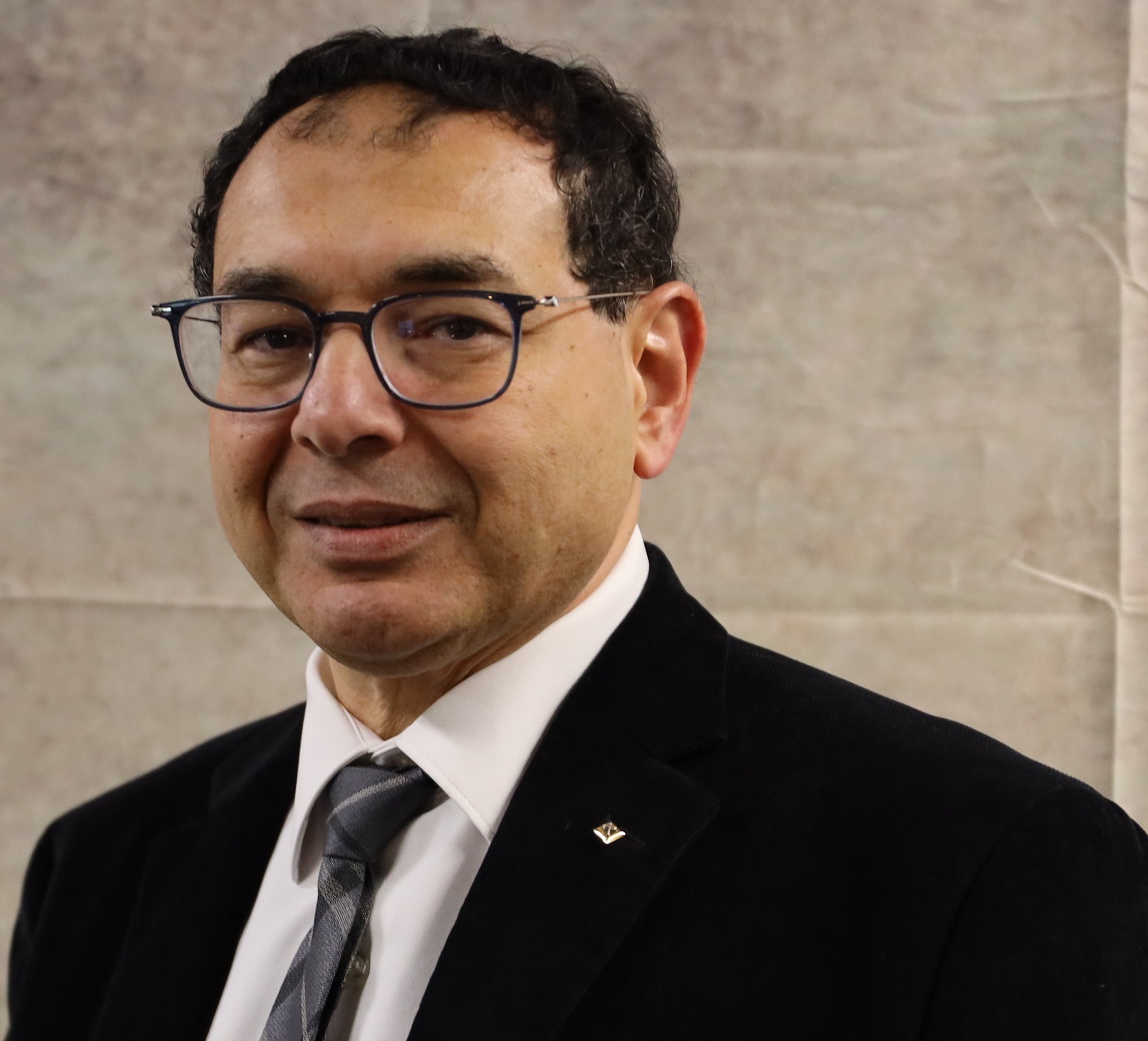
Dr. Gamal Refai-Ahmed
AMD, US